In an era where environmental concerns are paramount, finding ways to live sustainably has become a priority for many. Among the numerous strategies for reducing our ecological footprint, modern electrical systems play a crucial role. This article explores how these systems contribute to energy savings and sustainable living, offering practical advice for those looking to impact the environment positively.
Quick Guide:
Understanding Sustainable Living
Sustainable living revolves around making choices that minimise our impact on the environment while meeting present needs without compromising future generations. This concept encompasses various practices, including reducing energy consumption, conserving resources, and supporting eco-friendly technologies.
Energy efficiency is a core component of sustainable living. By using less energy to perform the same tasks, we not only reduce our utility bills but also decrease our overall carbon footprint. Modern electrical systems are designed to enhance energy efficiency, making them indispensable for anyone aiming to live sustainably.
Modern Electrical Systems and Their Impact
The evolution of electrical systems has ushered in a new era of home living, marked by efficiency, convenience, and sustainability.
Smart Home Technology
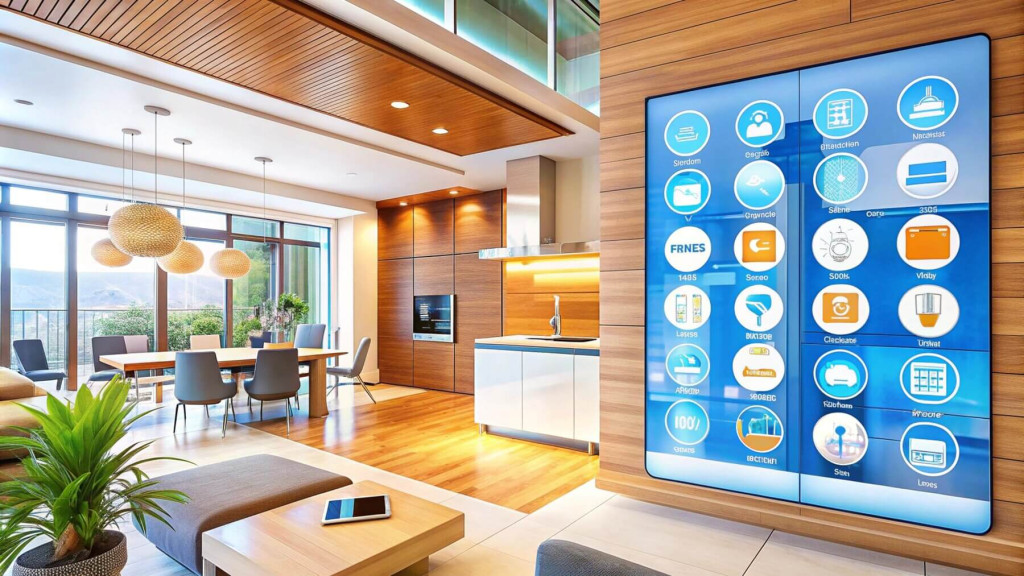
Smart home technology refers to systems and devices that allow homeowners to control and monitor their home’s electrical systems remotely. This technology includes smart thermostats, lighting, and appliances, all of which can significantly improve energy efficiency.
Energy Management Systems
Energy management systems (EMS) are integral to smart home technology. These systems track and control energy consumption, allowing homeowners to optimise their energy use. For example, a smart thermostat can adjust heating and cooling based on your schedule, reducing energy consumption when you’re not at home.
- Smart Thermostats: Devices like the Nest Learning Thermostat learn your schedule and adjust temperatures accordingly, saving energy and money.
- Smart Lighting: Systems such as Philips Hue allow you to control lighting remotely and set schedules, ensuring lights are only on when needed.
- Smart Appliances: Energy-efficient appliances, like washing machines and refrigerators, can be monitored and controlled through smartphone apps, optimising their operation.
Energy-Efficient Appliances
Energy-efficient appliances are designed to consume less electricity while delivering the same performance as standard models. They are essential in reducing household energy consumption.
The primary benefits of energy-efficient appliances include lower electricity bills and a reduced environmental footprint. By using less energy, these appliances help decrease greenhouse gas emissions and reliance on fossil fuels.
- Energy Star-Rated Appliances: Appliances bearing the Energy Star label meet stringent energy efficiency criteria set by the government. Examples include dishwashers, washing machines, and refrigerators.
- LED Lighting: LED bulbs consume up to 80% less energy than traditional incandescent bulbs and last much longer, making them a cost-effective choice for lighting.
Renewable Energy Integration
Renewable energy sources, such as solar and wind, provide sustainable alternatives to conventional energy sources. Modern electrical systems increasingly integrate these renewable sources into home energy systems.
Home Integration
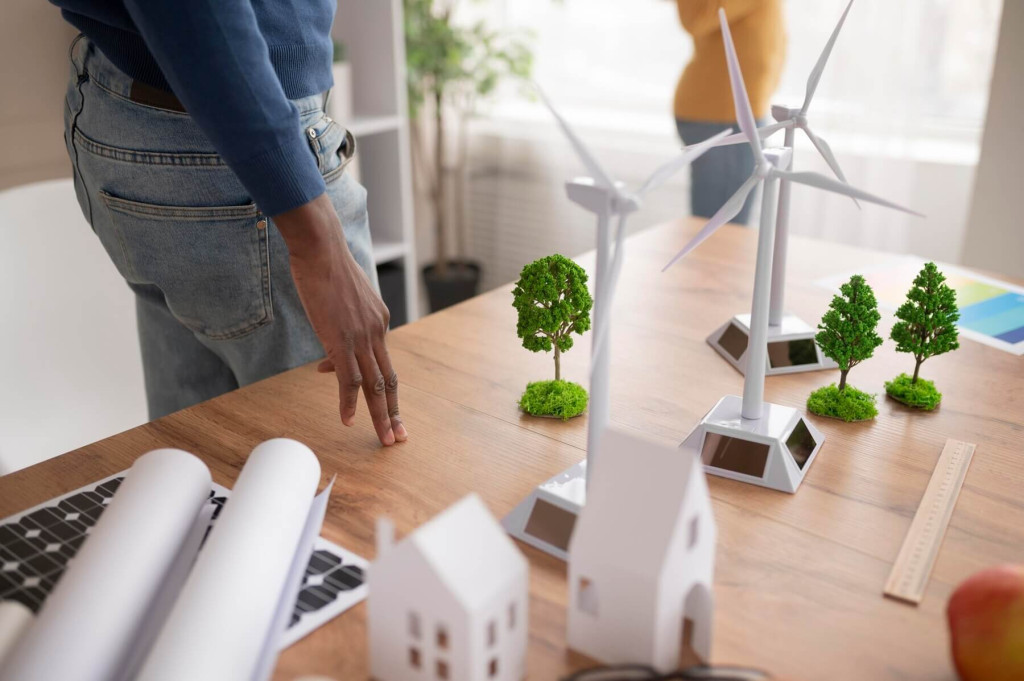
Integrating renewable energy into home systems can be achieved through solar panels, wind turbines, and battery storage systems. Solar panels capture sunlight and convert it into electricity, while wind turbines harness wind energy. Battery storage systems store excess energy for use when renewable sources are less active.
The benefits of renewable energy integration include reduced reliance on non-renewable energy sources, lower energy bills, and decreased greenhouse gas emissions. By generating your own power, you contribute to a more sustainable energy future.
Advanced Electrical Systems
Advanced electrical systems encompass cutting-edge technologies that enhance energy efficiency and automation. These systems represent the forefront of energy-saving solutions.
Advanced electrical systems offer improved efficiency, greater automation, and enhanced long-term sustainability. They help manage energy use more effectively and can adapt to changing conditions and demands.
- Battery Storage Systems: These systems store excess energy generated from renewable sources, providing a reliable power supply even when renewable sources are not active.
- Grid-Tied Systems: These systems connect your home’s energy system to the grid, allowing for the exchange of energy between your home and the utility company, optimising energy use and reducing costs.
Practical Tips for Implementing Energy-Saving Solutions
Transforming your home into an energy-efficient haven begins with understanding your current energy consumption patterns.
Assessing Your Current Energy Use
Conducting an energy audit involves evaluating your home’s energy consumption to identify areas where improvements can be made. Various tools and methods are available, from professional audits to DIY options using online calculators and energy monitoring devices.
Interpreting Results
Understanding the results of an energy audit helps pinpoint where energy is being wasted and which upgrades can yield the most significant savings. This information guides decisions on which systems and appliances to upgrade or replace.
Upgrading to Energy-Efficient Systems
When selecting energy-efficient systems and appliances, consider factors such as energy ratings, compatibility with existing systems, and long-term savings. Look for certifications like Energy Star or similar local standards to ensure products meet high-efficiency criteria.
Cost vs. Benefit Analysis
Evaluate the financial implications of upgrading to energy-efficient systems by comparing initial costs with potential long-term savings. While some upgrades may require a higher upfront investment, the long-term savings on energy bills often justify the expense.
Maintaining and Optimising Systems
Regular maintenance is crucial for ensuring that energy-efficient systems operate at peak performance. Schedule routine check-ups and address any issues promptly to avoid inefficiencies and extended downtime.
Optimisation Tips
To maximise the efficiency of your electrical systems, adjust settings based on usage patterns, update software and firmware for smart devices, and incorporate new technologies as they become available.
Future of Electrical Systems in Sustainable Living
The future of electrical systems holds immense promise for a more sustainable world. A wave of innovative technologies is poised to revolutionize how we generate, distribute, and consume energy.
Innovations on the Horizon
Emerging technologies in energy-saving solutions promise even greater efficiencies and advancements. Innovations such as next-generation smart grids, advanced battery technologies, and enhanced renewable energy systems are on the horizon.
Impact on Sustainable Living
These innovations will further enhance the ability to live sustainably by reducing energy consumption, improving efficiency, and supporting the transition to renewable energy sources. Staying informed about and adopting new technologies can contribute significantly to a sustainable future.
Final Takeaway
Modern electrical systems play a pivotal role in promoting sustainable living by enhancing energy efficiency, integrating renewable energy, and providing advanced solutions for energy management. By adopting these systems and practices, you can reduce your environmental impact and contribute to a more sustainable future. Start by assessing your current energy use, upgrading to energy-efficient systems, and maintaining and optimising your electrical systems to enjoy the benefits of a greener lifestyle.