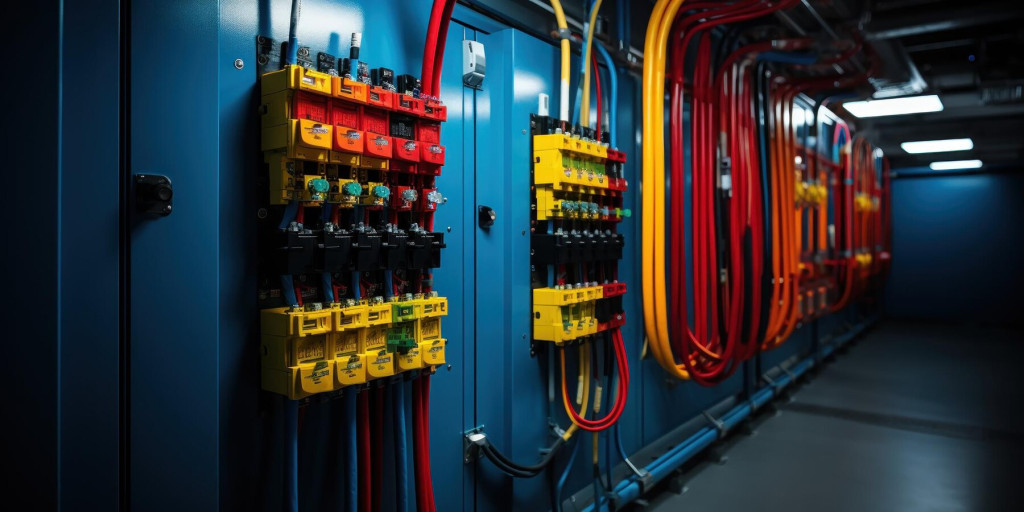
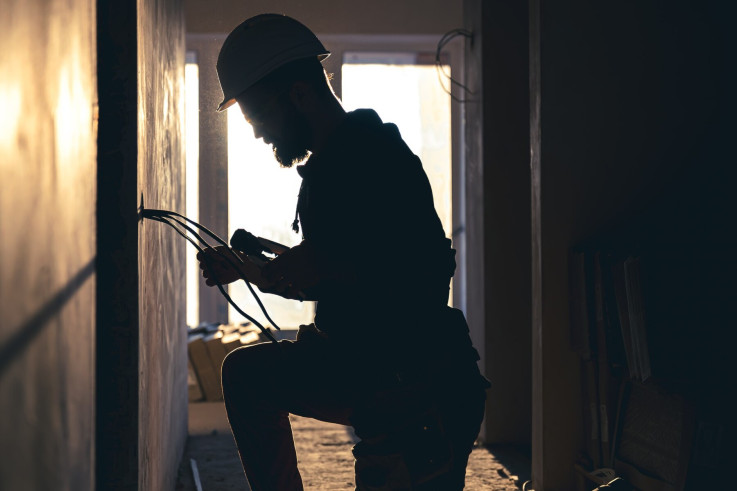
Electrical safety is paramount in ensuring the well-being of your household. Electricity, while essential for modern living, poses significant risks if not handled properly. Every year, electrical hazards cause thousands of injuries, fires, and even fatalities. By prioritizing electrical safety, homeowners can protect their loved ones, property, and maintain a secure living environment.
The purpose of this article is to provide homeowners with practical tips and guidelines for preventing electrical accidents and hazards. Whether you are a new homeowner or looking to improve your current safety practices, these tips will help you protect your home and loved ones from potential electrical dangers.
Quick Guide:
Common Electrical Hazards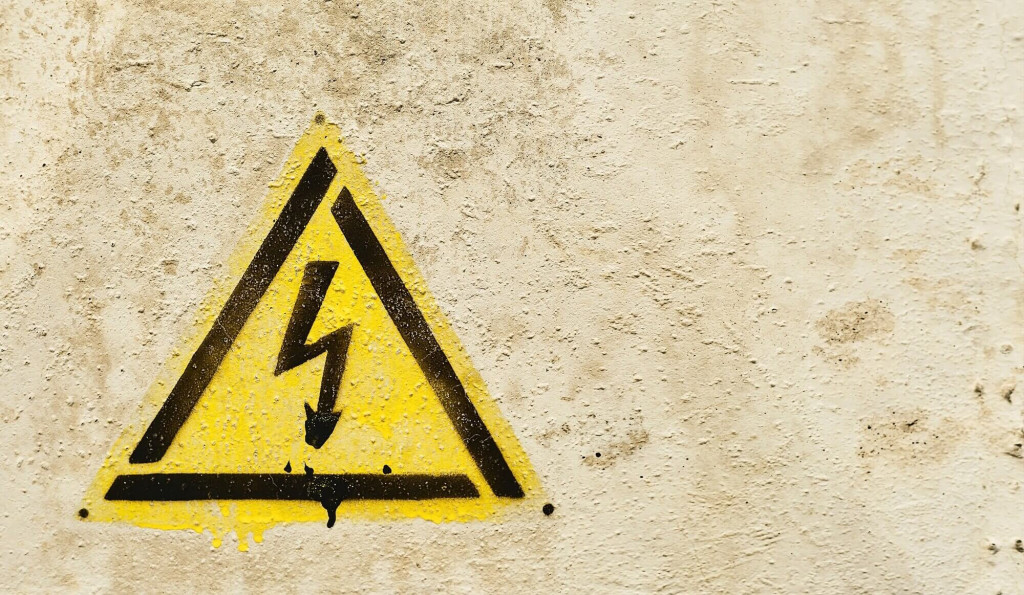
Electrical hazards refer to potential dangers associated with the use of electricity, which can lead to harm, injury, or damage to property if not properly managed or controlled. Some of the most common include:
- Faulty Wiring: Poorly installed or deteriorated wiring can lead to electrical shorts and fires.
- Overloaded Circuits: Plugging too many devices into a single outlet can cause overheating and potential fires.
- Damaged Electrical Appliances: Broken or frayed cords and malfunctioning appliances can result in electrical shocks or fires.
- Water and Electricity: Water is a conductor of electricity, and any contact between the two can be deadly.
- Poor Grounding: Improperly grounded electrical systems increase the risk of electric shock.
General Electrical Safety Tips
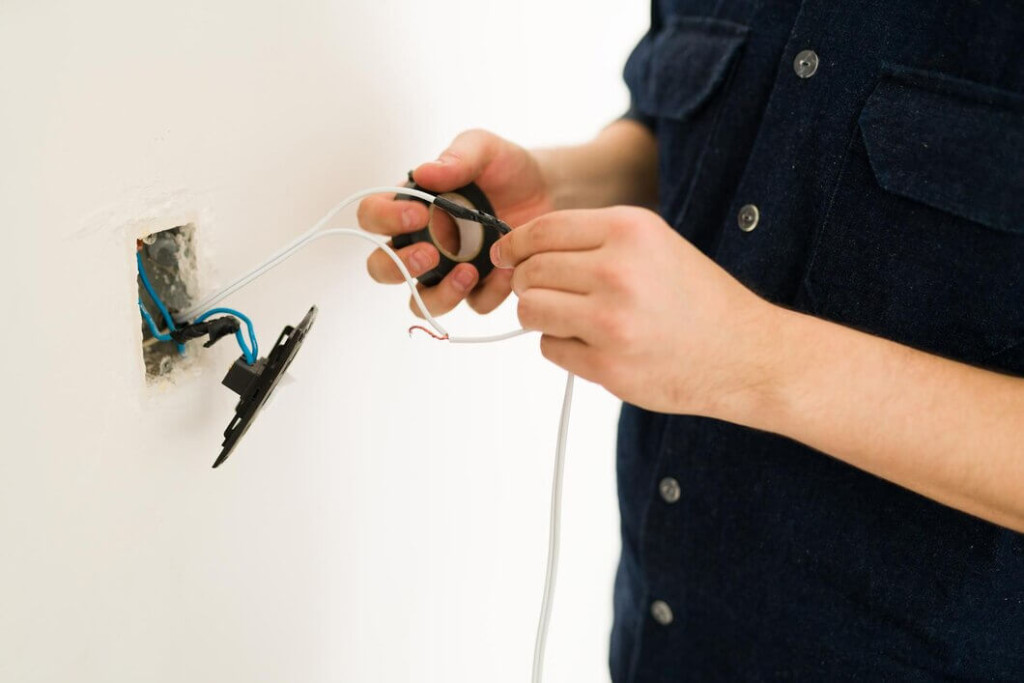
Here are some essential electrical safety tips tailored to ensure a secure environment at home:
Regular Inspection of Electrical Systems
Regularly inspecting your electrical systems can prevent potential hazards. This includes checking for signs of wear or damage in wiring, outlets, and appliances. For someone like you who values thoroughness in planning and implementation, scheduling these inspections annually or after any significant renovations is crucial.
Avoiding the Use of Damaged Cords and Plugs
Always replace damaged cords and plugs promptly. Frayed wires and exposed conductors pose significant risks, and as someone who prioritises proactive measures in your professional endeavours, maintaining a supply of spare cords and plugs can ensure quick replacements when needed.
Not Overloading Outlets and Circuits
Avoid overloading outlets and circuits by distributing appliances and devices across different outlets. Using power strips with surge protection can also help manage multiple devices safely, reflecting your penchant for efficiency and practicality.
Keeping Electrical Devices and Outlets Away from Water
Maintain a safe distance between electrical devices and water sources. This precaution and your attention to detail ensure a safer environment, particularly in areas prone to moisture like kitchens and bathrooms.
Using the Right Wattage for Light Bulbs
Always use light bulbs that match the recommended wattage for fixtures. This simple practice conserves energy and prevents overheating and potential fire hazards, aligning with your commitment to sustainable practices and safety.
By incorporating these tips into your routine maintenance and usage habits, you can effectively mitigate electrical risks and enhance the safety of your home environment.
What to Do in Case of Electrical Emergencies

Electrical emergencies can be frightening and require quick thinking to avoid further harm. Whether it’s someone being electrocuted, sparking wires, or a fire igniting due to electrical issues, knowing how to react effectively can make all the difference. In the event of an electrical emergency where someone is electrocuted, here are the critical steps to take to ensure their safety and yours:
- Ensure Safety: Do not touch the person if they are still in contact with the electrical source. Turn off the power source if possible using a non-conductive object (e.g., wooden broom handle) or switch off the circuit breaker.
- Call for Help: Immediately call emergency services (911 or local emergency number). Request medical assistance if the person is injured or unconscious.
- Provide First Aid: If you are trained in CPR (Cardiopulmonary Resuscitation) and it is safe to do so, perform CPR until medical professionals arrive.
How to Handle Electrical Fires
If you discover an electrical fire, the top priority is to extinguish it safely and prevent further danger. Here’s a breakdown of the crucial steps to take:
- Safety First: Alert everyone in the vicinity and evacuate the area if the fire is spreading or poses a significant risk.
- Cut-Off Power: If safe to do so, turn off the power at the main switch or circuit breaker panel.
- Use a Fire Extinguisher: If the fire is small and you have the appropriate fire extinguisher (Class C for electrical fires), aim it at the base of the fire and sweep side to side.
- Do Not Use Water: Avoid using water on electrical fires as it can conduct electricity and escalate the fire.
- Call the Fire Department: Even if you manage to extinguish the fire, call the fire department to ensure the area is safe and to prevent re-ignition.
When to Call a Professional Electrician

Your home’s electrical system is a complex network that powers everything from your lights and appliances to your heating and cooling. While some minor tasks may be suitable for DIY enthusiasts, there are numerous situations where seeking help from a qualified electrician is the safest and most responsible course of action. Here are some key indicators that it’s time to call in a pro:
- Electrical Issues: If you notice flickering lights, sparking outlets, or frequently tripped circuit breakers, these may indicate underlying electrical problems.
- Home Renovations: When planning major renovations or additions that involve electrical work, consult a licensed electrician to ensure compliance with safety codes and regulations.
- Post-Emergency: After an electrical emergency, such as a fire or severe electrical fault, it’s crucial to have a professional electrician inspect your electrical system for damage and safety concerns.
Stay safe, stay informed, and prioritise electrical safety every day. If you have any concerns or notice any issues, don’t hesitate to contact a professional electrician near you for assistance. Your diligence today can prevent potential hazards tomorrow.